
Galactosemia
Body is unable to metabolize the simple sugar.
When does it occur?
According to Google Health, Galactosemia occurs in the first few days of life for an infant. It occurs about 1 in every 60,000 births among Caucasians. (Citation 14)
Symptoms
-Poor weight gaining
-Poor feeding(baby refuses to eat formula containing milk
-Vomiting
-Jaundice
-Lethargy
-seizures
-Cataracts
(Citation 15)
.
What you Need to Know:
-Children with galactosemia are treated by pediatric metabolic specialist.
-Untreated newborns with galactosemia are at risk for E. coli septicemia, a life-threatening blood infection.
-Since galactosemia is an autosomal recessive disorder, if two parents are carriers for galactosemia, they will have a 25% chance of having a child with galactosemia, a 50% chance of have a child who is a carrier for galactosemia, and a 25% chance of having a child without any of the genes for galactosemia. Parents of a child with galactosemia will usually be offered genetic counseling if they plan to have more children. (Citation 15) 
(Citation 6)
Causes: Galactosemia is inherited by disorders. It is passed down through families.
. 
Treatments:
-Avoid all food containing milk
-Avoid all things that have galactose for life.
-Breastmilk
-Margarine, butter, cheese, ice cream, milk chocolate, yogurt
-Cow's milk based baby formula

Babies can be fed with: (Citation 11)
-Soy formula
-Lactose free formula (Citation 7)
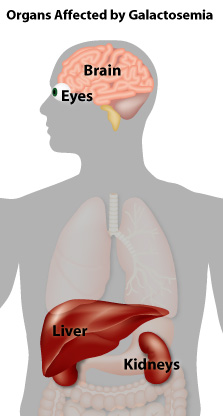
Signs
-Fluid in abdomen
-Low blood sugar
-Amino Acid in the urine
-Enlarged liver
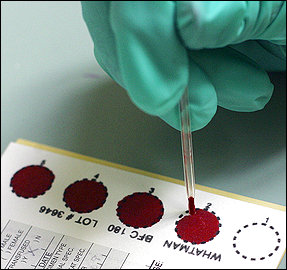
Tests:
-Bacteria infection( E. coli sepsis)
-Enzyme activity in the red blood cells
-Blood sample from heel stick
Preventions: (Citation 4)
-Knowing your family history ahead of time
-If you have family history of galactosemia, and want to have a kid, genetic counseling can help about pregnancy or prenatal testing. (Citation 14)
